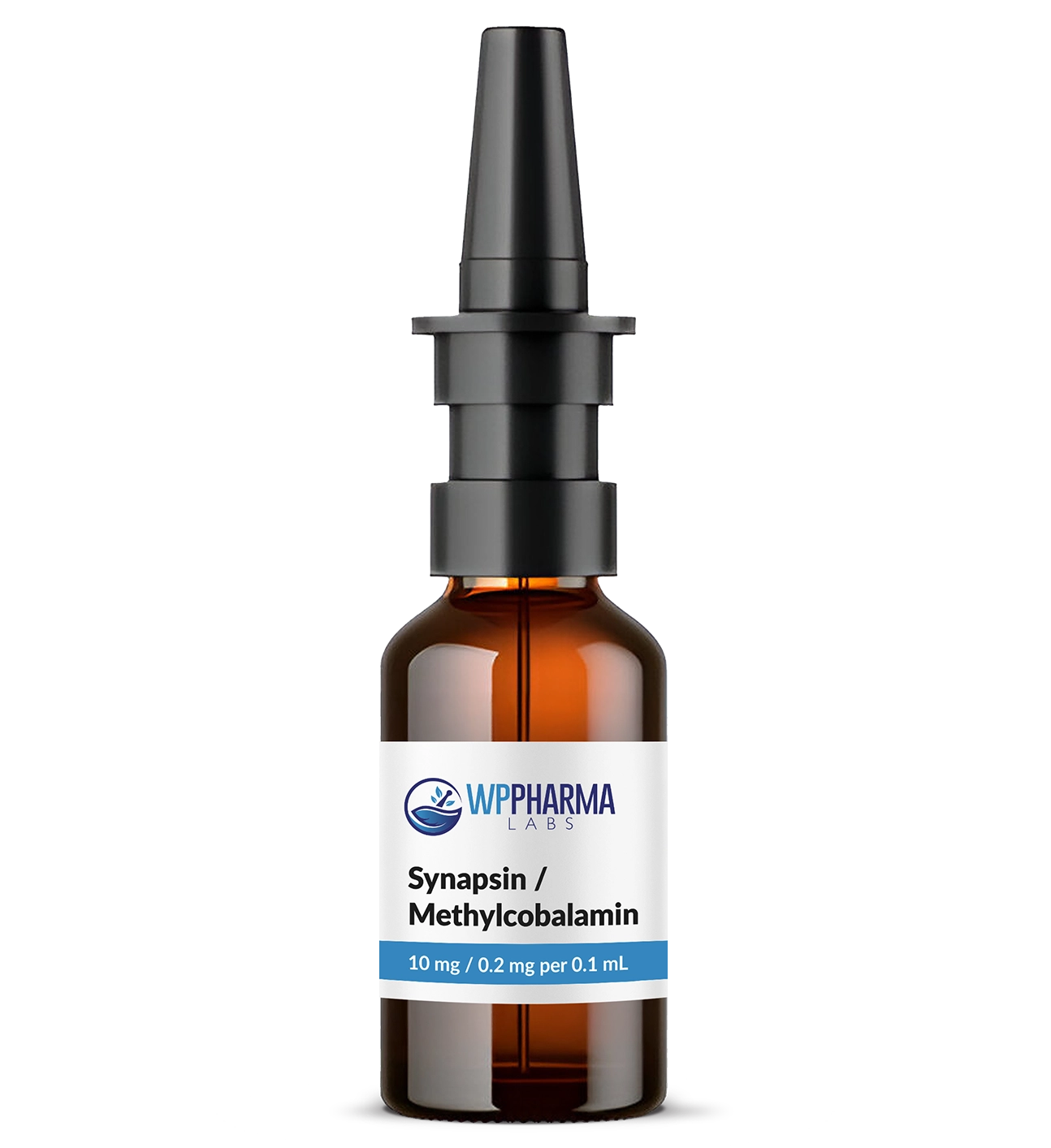
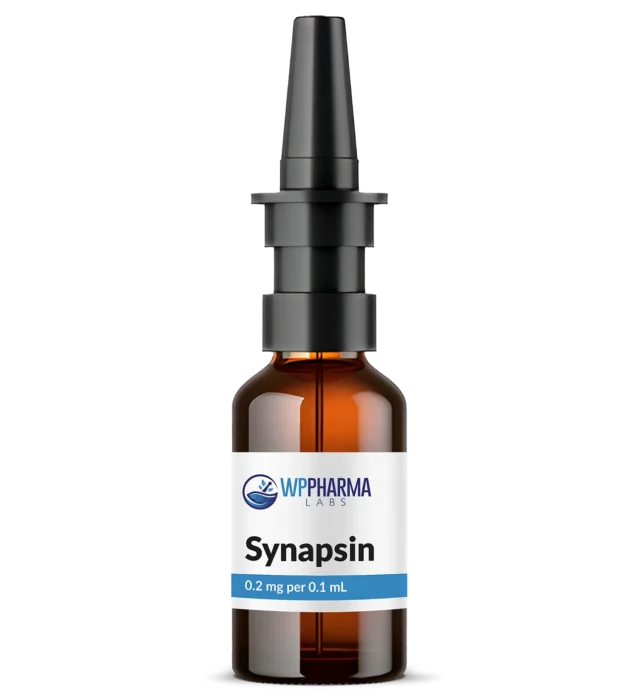
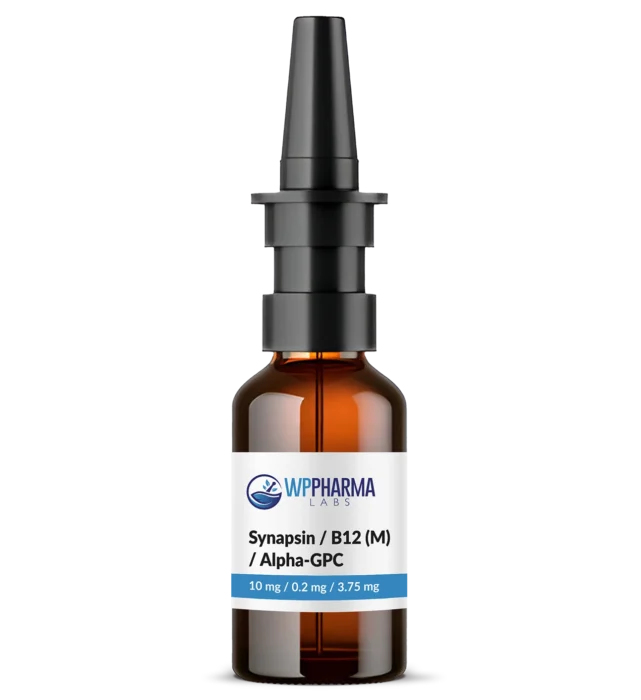
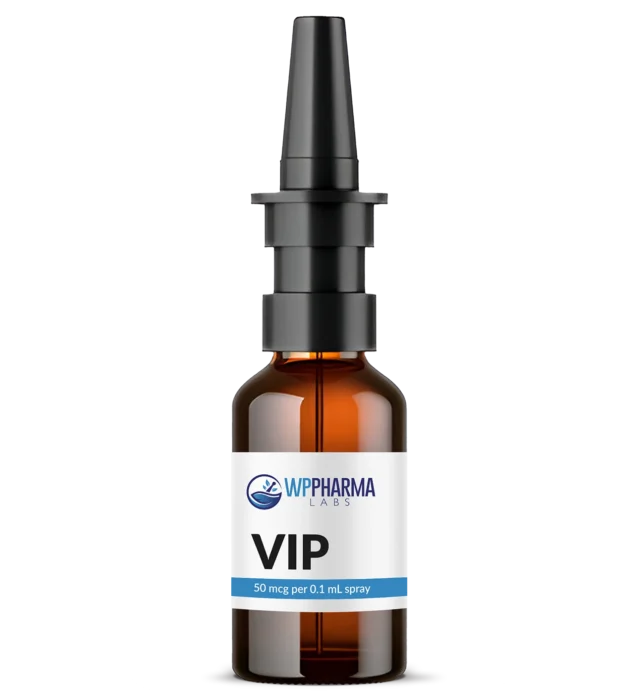
(Ship Cold) Nasal Spray
10 mg / 0.2 mg per 0.1 mL Spray
Product Overview
Synapsin® / Methylcobalamin Description1-7
Synapsin® / Methylcobalamin Nasal Spray is a compounded prescription formulation intended to support neurological health and cognitive function. It is administered intranasally to bypass the blood–brain barrier and facilitate delivery of the medication to the brain. The formulation contains ginsenoside Rg3, nicotinamide riboside, and methylcobalamin as its active components.
Ginsenoside Rg31,2
The ginseng plant contains more than 100 different ginsenosides. Ginsenoside Rg3, one of the most extensively studied ginsenosides derived from Panax ginseng, may exhibit notable pharmacological activity, including hepatoprotective, neuroprotective, and immune-supporting properties. It may also demonstrate antioxidant, anti-inflammatory, and anti-tumor effects. The primary ginsenosides—Rb1, Rb2, and Rd—can be readily metabolized into ginsenoside Rg3.
Nicotinamide Riboside3,4
Nicotinamide riboside is a form of vitamin B3 and functions as a precursor to NAD⁺, similar to nicotinamide and nicotinic acid. It serves as a potent NAD⁺ enhancer. Nicotinamide riboside may support conditions related to neurodegeneration, metabolic dysfunction, and cardiac fibrosis. In particular, it may influence inflammatory processes associated with Alzheimer’s disease and other neurodegenerative disorders. In individuals with Alzheimer’s disease, NAD⁺ levels are often reduced, which may be associated with neuroinflammation, cellular injury, and increased proinflammatory cytokines.
Methylcobalamin5,6
Vitamin B12 exists in several forms, including cyanocobalamin, methylcobalamin, hydroxocobalamin, and adenosylcobalamin. Methylcobalamin and adenosylcobalamin are the biologically active forms of vitamin B12, while cyanocobalamin is a synthetic form. The primary distinction between cyanocobalamin and methylcobalamin is the substitution of a methyl group for the cyano group in methylcobalamin. Methylcobalamin plays a role in nerve health through maintenance of the myelin sheath, supports brain function, and is involved in red blood cell production.
Ginsenoside Rg31,2
Ginsenoside actions to decrease inflammation in neurodegenerative diseases is related to its effect on signaling pathways such as activator protein 1 and protein kinase A and the regulation of inflammatory mediators such as cytokines and nitric oxide. Ginsenosides may improve learning and memory through their effect on signaling pathways and mediators. It is thought that ginsenoside may reduce neuroinflammation and promote survival.
Nicotinamide Riboside3,4
Nicotinamide riboside increases intracellular NAD+ levels. NAD+ is critical for metabolism and physiological function. It accepts electrons during metabolic reactions to become NADH (reduced form). NADH uses the electron to donate ot other molecules. This is important for ATP production in the body. This process occurs during glycolysis, fatty acid oxidation, and the TCA cycle. There is a continuous conversion of NAD+ to NADH in cells in the body which is critical for energy flow. NAD+ is also important for sirtuin regulation (DNA repair, inflammation processes, and fat metabolism). It is a substrate for PARPs (poly (ADP-ribose) polymerases) (repair of damaged DNA) and is important to prevent neurodegenerative processes.
Methylcobalamin5,6
Vitamin B12 is important for division and growth of cells in the body. It is converted to coenzyme B12 in the body and in this form facilitates the conversion of homocysteine to methionine (methylcobalamin) and plays an important role in converting methylmalonyl-coenzyme A to succinyl-Co-A (fatty acid and amino acid metabolism). Without coenzyme B12, tetrahydrofolate cannot be produced from 5-methyl tetrahydrofolate leading to folate deficiency. In addition, vitamin B12 is needed to produce myelin (surrounds nerves) and is important for axon and nerve development.
Common7-9
Nasal irritation, stinging sensation upon administration, headache, flushing, insomnia
Contraindications7-9
Known intolerance or hypersensitivity to Ginsenoside Rg3, Nicotinamide Riboside, or Methylcobalamin
Precautions7-9
Store Synapsin® Nasal Spray in the refrigerator at 2°C to 8°C (36°F to 46°F). Protect from light and keep the bottle upright. Before using allow the spray to reach room temperature to minimize nasal discomfort.
WPPL operates as a 503A compounding pharmacy and prepares individualized prescription medications pursuant to provider direction. Compounded preparations are not reviewed, tested, or approved by the FDA.
This listing also includes commercially manufactured products for convenience; these items are not compounded by our pharmacy and are sold as provided by their manufacturers. Actual products in stock at time of dispensing may vary due to supply chain variability. Any statements regarding non-compounded products are manufacturer-supplied, have not been evaluated by the FDA, and are not intended to diagnose, treat, cure, or prevent any disease. WPPL does not verify or endorse any therapeutic claims made by manufacturers. Please refer to original labeling for complete product information.
EXPLORE MORE
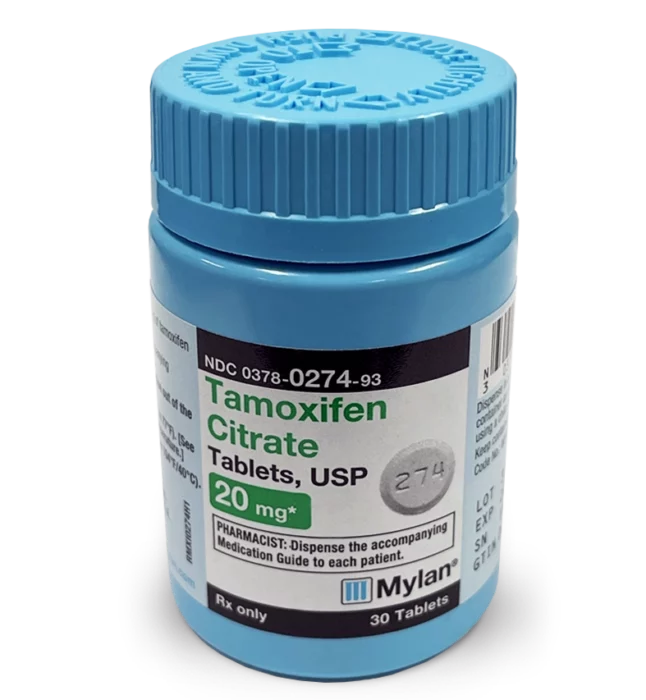
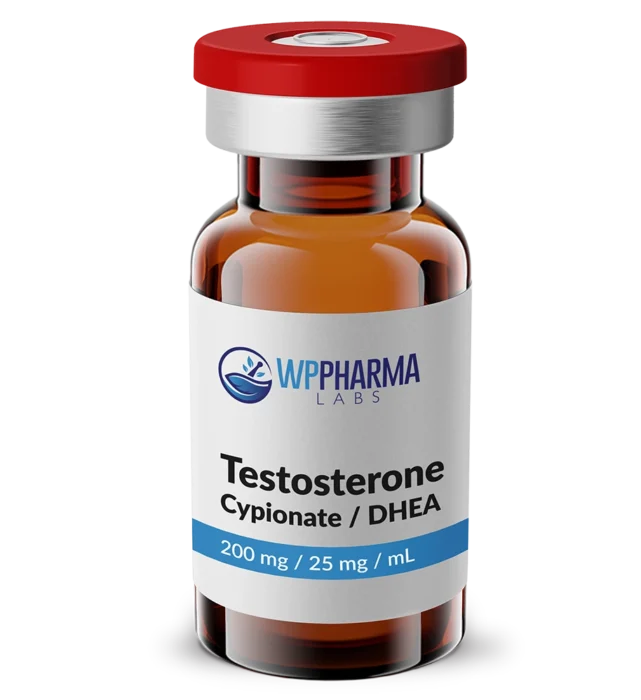
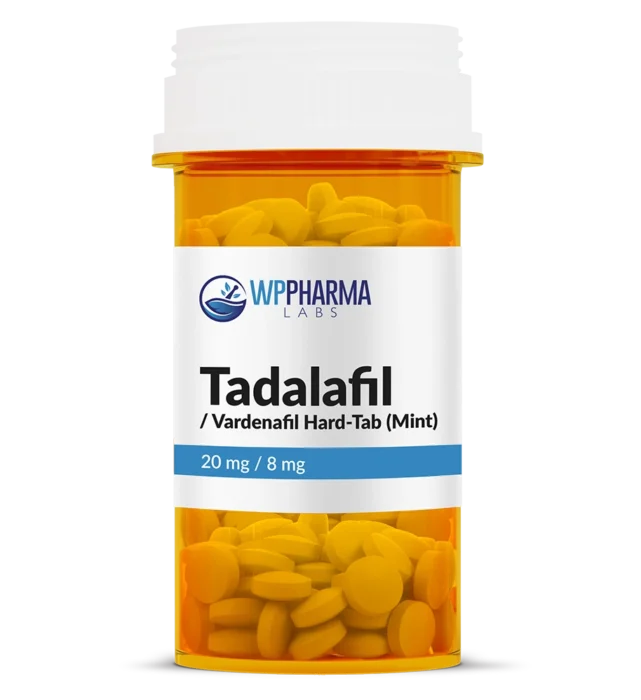
Related Medications
Licensed to ship across the U.S.
Your orders arrive promptly and privately, delivered directly to your door.
Providers: Let’s Partner for Better Patient Care
If you are a physician, clinic, or practice seeking a dependable Compounding Pharmacy partner, WP Pharma Labs is here to help. With dedicated account setup, streamlined ordering and responsive service, we support your therapeutic goals with specialized compounds designed for your patients.
To check product availability, check on the status of an existing order, request refills:
orders@wppharmalabs.com
New providers setup / update an existing account:
newaccounts@wppharmalabs.com