Capsule
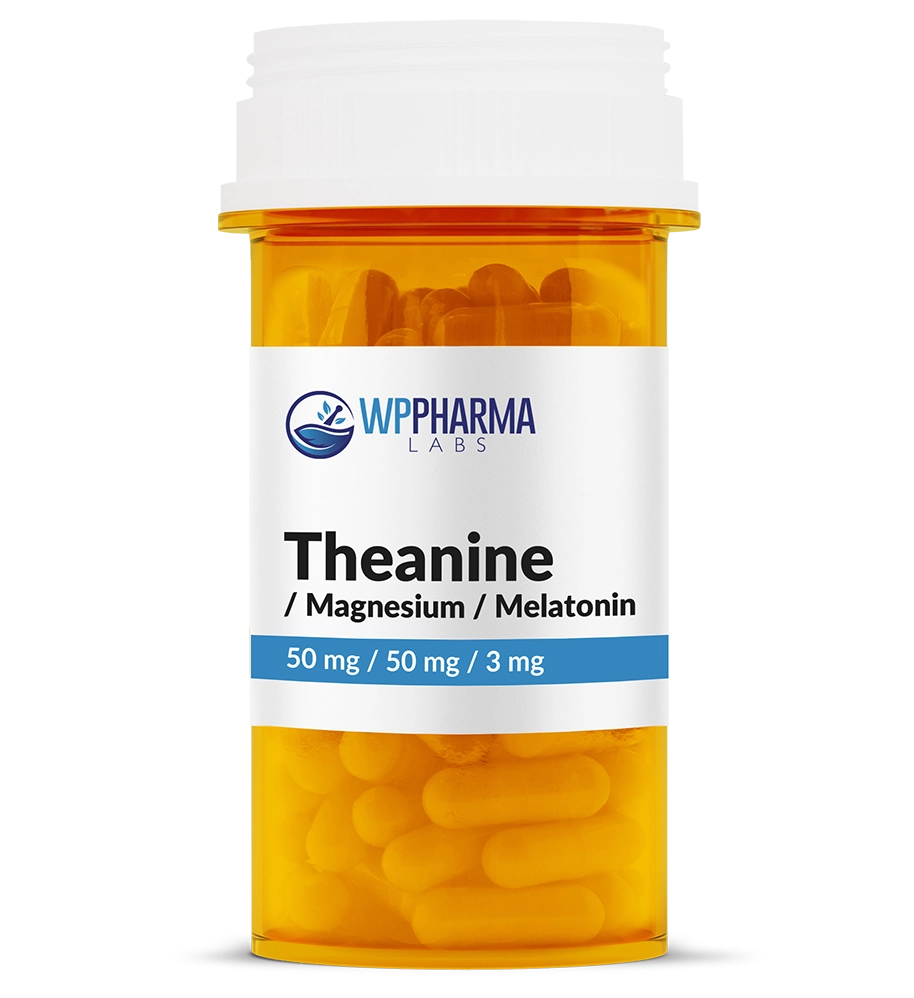
50 mg / 50 mg / 3 mg
100 mg / 100 mg / 12 mg
Product Overview
The combination of theanine, magnesium and melatonin may facilitate relaxation, decrease stress and facilitate better sleep.
Theanine1-4
Theanine, a non-protein amino acid, was discovered in green tea in 1949. It can be also found in other teas including black and white tea and certain mushrooms. Theanine has structural similarity to the neurotransmitters glutamine and gamma aminobutyric acid (GABA). It shares the ability of these to cross the blood brain barrier. It has a caramel flavor and helps to alleviate the bitter taste of caffeine. In addition, it is thought to have many pharmacological properties including the following: antioxidant, anti-inflammatory, neuroprotective, anti-cancer, anti-anxiety, metabolic, heart, liver and kidney protective, and immune effects.
Magnesium5-7
Magnesium, the second most abundant intracellular cation, is a cofactor in numerous enzymatic reactions in the body. The electrolyte facilitates energy metabolism and protein and nucleic acid synthesis. Magnesium is thought to relax smooth muscles, and it is critical when replacing low potassium and calcium levels, treats eclampsia, helps to relieve constipation, manage arrhythmias, and help with relaxation of bronchial smooth muscle for asthma patients. It also may help to improve mood and improve sleep quality.
Melatonin8-10
Melatonin, a neurohormone, has been used to regulate circadian rhythm. Melatonin has been used in jet lag and sleep disorders, irregular sleep-wake disorders, shift-work disorders and non-24-hour sleep disorders in adults.
Theanine1-4
Theanine supports multiple mechanisms of activity. As an antioxidant, it reduces the formation of reactive oxygen species and enhances the activity of antioxidant enzymes, thereby helping to limit oxidative damage. As an anti-inflammatory agent, theanine lowers proinflammatory mediators, including cyclooxygenase-2, prostaglandin E2, nitric oxide synthase, and nitric oxide. Theanine has also demonstrated neuroprotective properties by stimulating the release of glutathione.
Additionally, theanine has been shown to promote relaxation and support sleep initiation and duration. It increases levels of GABA, serotonin, and dopamine, contributing to mood regulation. Evidence suggests a role for theanine in supporting stress reduction, depressive symptoms, and emotional and cognitive function. Theanine has also been shown to increase apoptosis in cancer cells and reduce cancer cell proliferation, as well as decrease liver cirrhosis, nephrotoxicity, and vascular remodeling.
Magnesium5-7
Magnesium serves as a cofactor for ATP-dependent sodium-potassium pumps located in muscle cell membranes. Correction of hypokalemia often requires magnesium supplementation in addition to potassium replacement. Magnesium is also involved in reducing calcium uptake and limiting potassium efflux in cardiac cells.
In asthma, magnesium decreases calcium uptake in bronchial smooth muscle and may reduce mast cell degranulation, thereby lowering the release of inflammatory mediators. Magnesium also promotes the synthesis of nitric oxide and prostacyclin, which may contribute to reduced asthma severity.
With respect to sleep, magnesium may support neurotransmitter regulation by helping balance GABA and glutamate levels, modulating cortisol, supporting melatonin production, and promoting muscle relaxation and nervous system function.
Melatonin8-10
Melatonin is synthesized from the amino acid tryptophan, which is first converted to serotonin and subsequently to melatonin. This neurohormone is produced and secreted by the pineal gland. Circadian rhythms, including cycles of rest and activity, are regulated by the suprachiasmatic nuclei of the hypothalamus in response to light input. Melatonin synthesis and release are stimulated by darkness and suppressed by light.
During conditions such as jet lag or circadian rhythm disorders, endogenous melatonin secretion may be disrupted. Administration of exogenous melatonin can assist in resetting sleep–wake patterns and may support sleep initiation.

Common side effects include:
Theanine2
Magnesium (with increased magnesium levels)5
Melatonin8
Contraindications2,5,8
Precautions2,5,8
Theanine
Magnesium
Melatonin
WPPL operates as a 503A compounding pharmacy and prepares individualized prescription medications pursuant to provider direction. Compounded preparations are not reviewed, tested, or approved by the FDA.
This listing also includes commercially manufactured products for convenience; these items are not compounded by our pharmacy and are sold as provided by their manufacturers. Actual products in stock at time of dispensing may vary due to supply chain variability. Any statements regarding non-compounded products are manufacturer-supplied, have not been evaluated by the FDA, and are not intended to diagnose, treat, cure, or prevent any disease. WPPL does not verify or endorse any therapeutic claims made by manufacturers. Please refer to original labeling for complete product information.
EXPLORE MORE
Related Medications
Licensed to ship across the U.S.
Your orders arrive promptly and privately, delivered directly to your door.
Providers: Let’s Partner for Better Patient Care
If you are a physician, clinic, or practice seeking a dependable Compounding Pharmacy partner, WP Pharma Labs is here to help. With dedicated account setup, streamlined ordering and responsive service, we support your therapeutic goals with specialized compounds designed for your patients.
To check product availability, check on the status of an existing order, request refills:
orders@wppharmalabs.com
New providers setup / update an existing account:
newaccounts@wppharmalabs.com